Planting Spring Bulbs in Raised Beds: My Secret to Rabbit-Proof Tulips
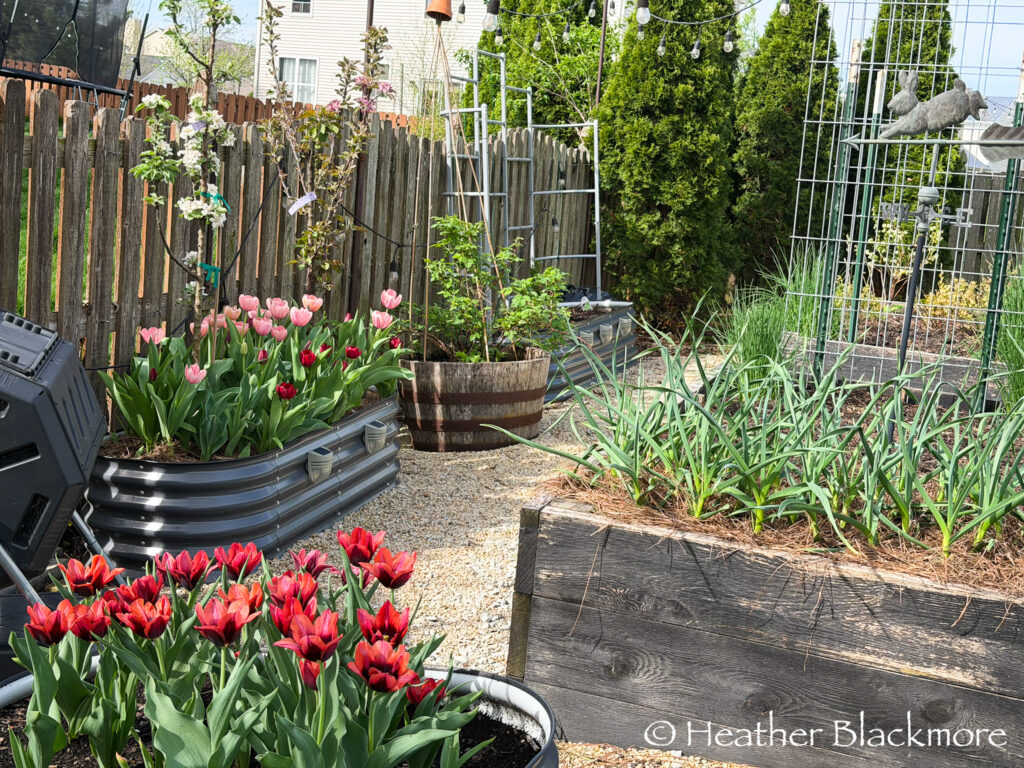
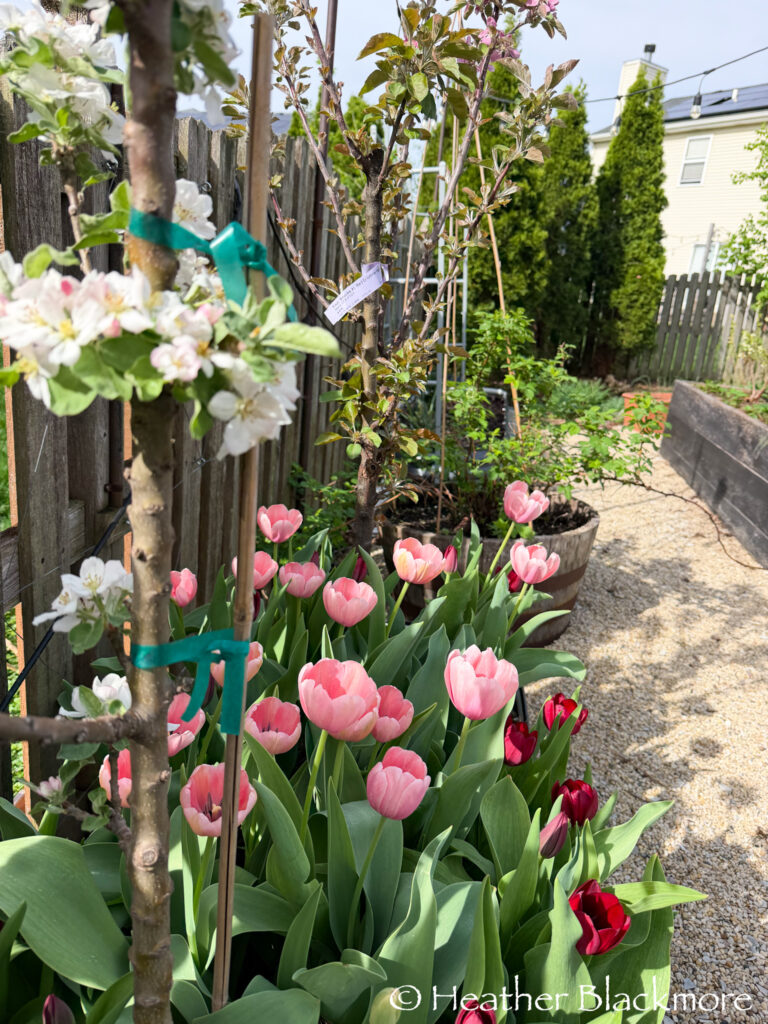
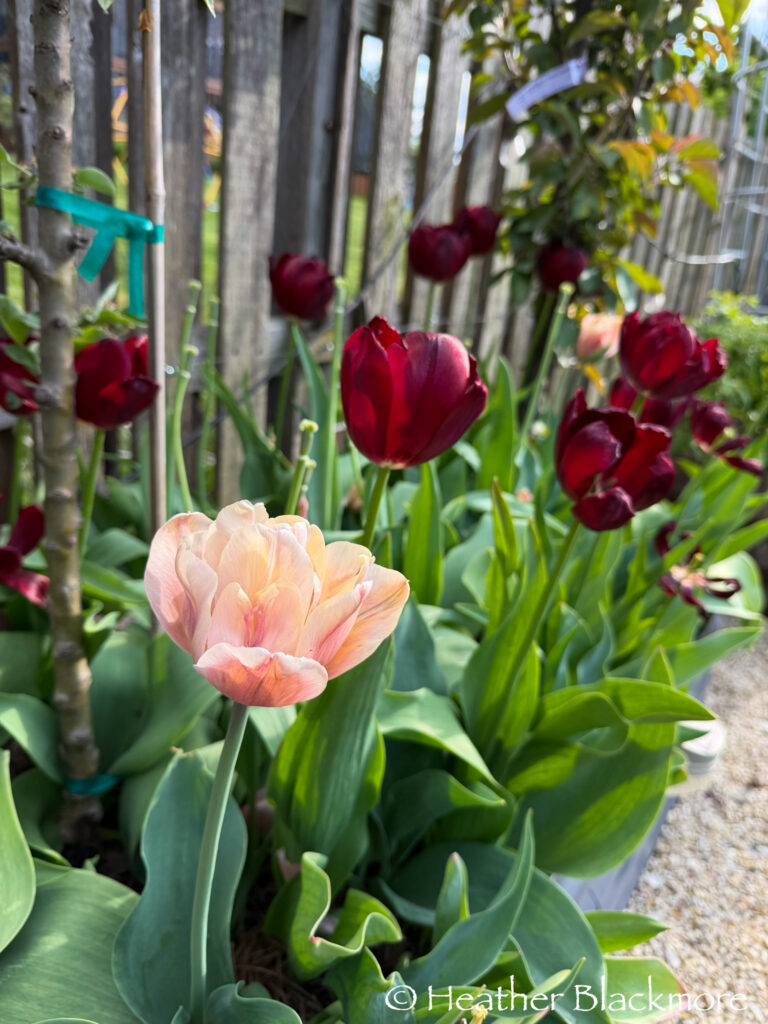
I love tulips. Rabbits love tulips more. So I changed the playing field. I plant my tulips in raised beds every fall. And everytime I share an Instagram Reel or carrousel featuring me planting tulips in my raised beds in October, I’m met with the same comments and criticisms.
“That’ll never work!” or “They’ll freeze!”
I’ve been planting tulips in my raised veg beds for years and despite their doubts, it works every. single. year. That’s saying a lot since I have serious rabbit issues.
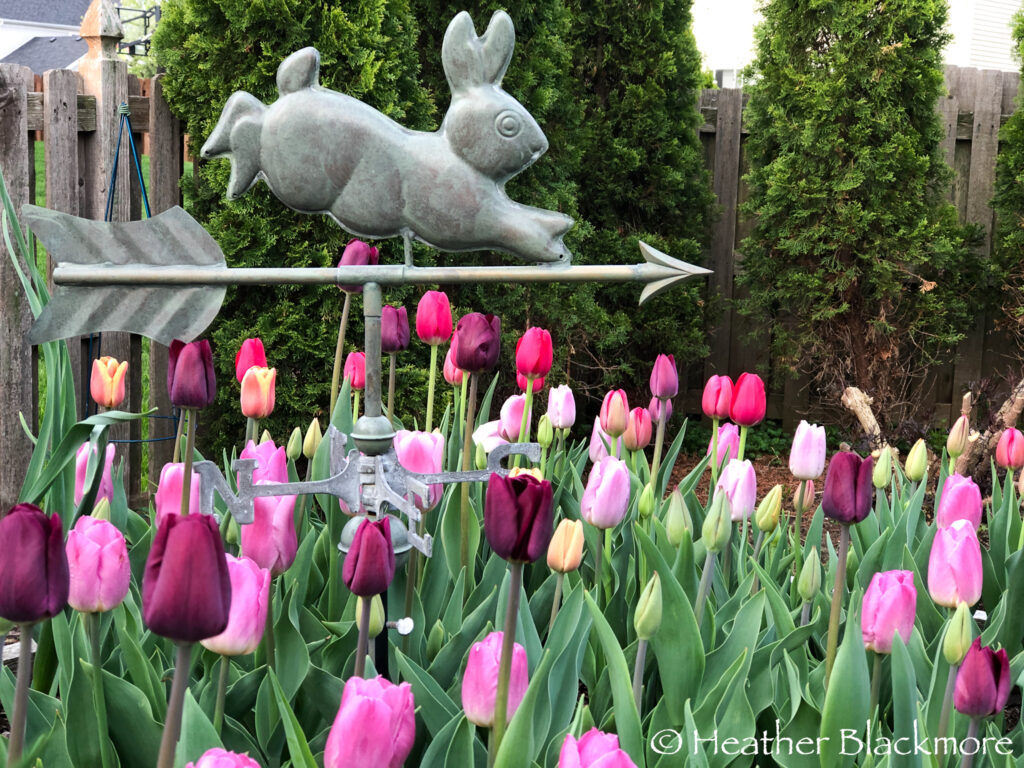
If you have raised beds and live in a cold climate like I do, you have a golden opportunity to create a fabulous spring bulb show! As long as it’s tall enough (we’ll adress that in a moment), it’s possible to grow tulips that actually flower in the spring. And right now is a great time to start thinking about (and ordering) tulips and other spring bulbs. You’ll be glad you did after a long cold winter. The best ones sell out fast so if you don’t get a jump on it now, you might not get the colors and varieties you love.
Oftentimes, unless you’re a season extender like I sometimes am, those beds go unused for at least six months of the year. Why not fill them with bulbs in October so you have spring color?
And once I convince you that growing tulips is possible, you’ll be tearing through those bulbs catalogs like they’re going out of style — because by October, they will be.
But first things first. How do you plant tulips and actually have tulips come spring without surrendering them to the rabbits?
Read on…
Can You Plants Bulbs in Raised Beds?
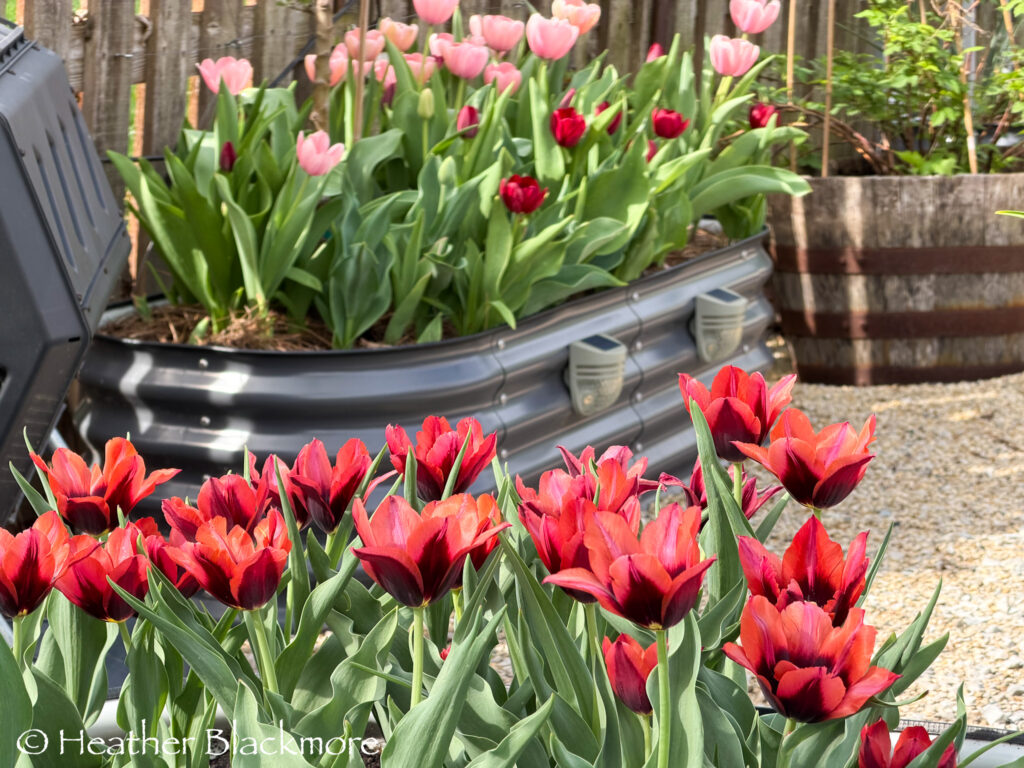
The short answer is YES! but with a height recommendation. And this is based on experience in my own backyard. It slopes. To account for the slope when my husband built our raised beds, he built the front shorter than the back. So the front is about 18″ tall and the back is 24″. In hindsight, I wish we had gone taller all the way around to deter the rabbits that occasionally hop the shorter side.
It’s not often, but it happens.
I’ve found a few forms dug into the sides of chive roots over the years. Which is strange since they’re not supposed to like chives and yet, every few years my neighbor’s cat, Milo, perches himself on the edge of one of the beds and stares at the chives. Waiting. And that’s how I know we have rabbits and Milo found lunch.
A bed that’s a least 24″ tall is the best way to keep rabbits out. In addition to the cedar raised beds, I have several Vego Garden raised beds too. All of them are 17″ tall and full of tulip bulbs in mid October. Despite the shorter height, none have been foraged by rabbits. Perhaps it’s just a matter of time before that happens. And telling you about this means I’ve jinxed myself. Nonetheless, if the rabbits ravage my Vego beds, at least I got several years of gorgeous tulips every spring before it came to an end.
If your bed is on the shorter side, a few poles pounded into the corners and a roll of chicken wire wrapped around the perimeter of the raised bed should do the trick.
Can Tulips Survive Freezing?
Bulbs are amazing. Within them are all the energy and nutrients they need to grow. Provided they’re planted at the right depth, usually 6″-8″ below the surface of the soil, they’re set up for success. All that’s need is a 12- to 16-week chilling period, also known as vernalization, where soil temperatures stay consistently below 45 degrees Fahrenheit.
The cold stretch triggers a necessary chemical process within the bulb. Starches convert to sugar, thereby lowering the freezing point of the bulb and preventing water within the bulb’s cell walls from freezing. Nature’s antifreeze. These sugars become the fuel the tulip uses to produce those flowers we anticipate every spring.
By late December, and earlier in my raised beds, the soil is frozen solid, sometimes feet deep depending on the year. Yet beneath that frozen ground there are thousands of little furnaces throughout my garden, staying warm and waiting. The gorgeous spring show of alliums, daffodils, crocuses, galanthus and leucojum is all thanks to vernalization. I find that completely amazing!
The Best Spring Bulbs to Plant in Raised Beds
There is no “best” bulb. It depends on what you want for your garden. If it’s bulbs that naturalize, daffodil, leucojum, galanthus, crocus and allium go in the ground, not the raised bed. Because tulips are difficult to protect from rabbits and I toss them out after flowering anyway, they’re the obvious candidate. It sounds wasteful, I know, but the tulips never flower better in subsequent years as they did their first.
No waiting for the foliage to turn yellow. There’s spring lettuce to plant in that raised bed!
If you’re determined to grow tulips in the ground like I am, consider species tulips, aka botanical tulips. I’ve had great luck with them and for whatever reason, rabbits leave them alone.
How to Plant Bulbs in Raised Beds
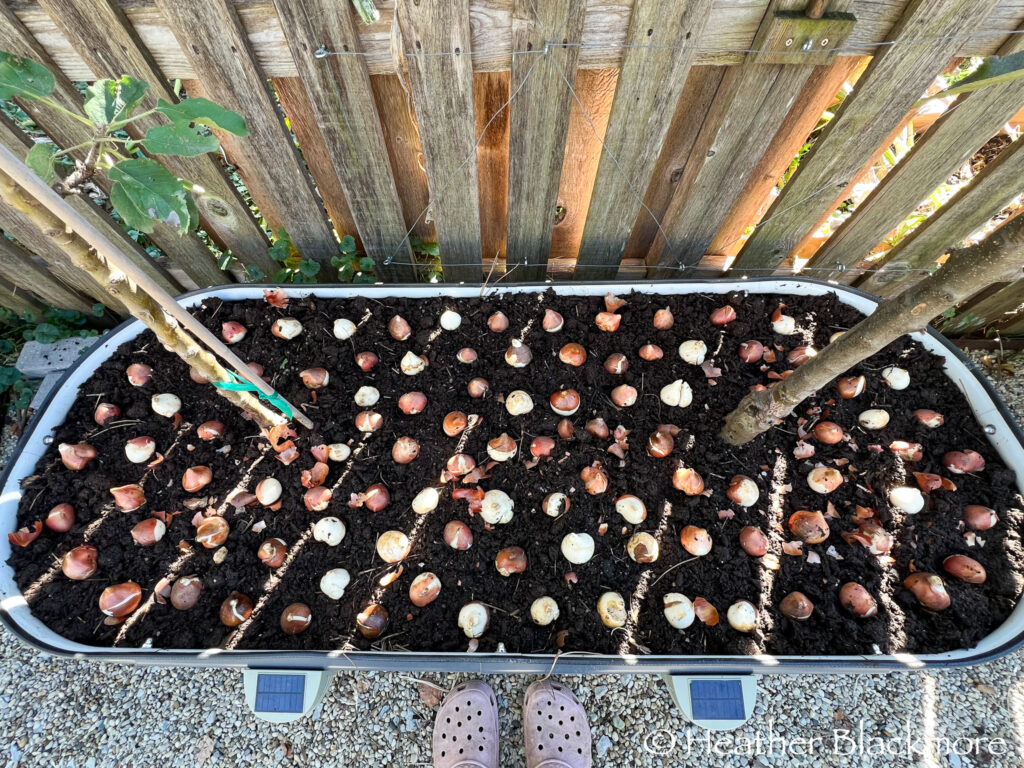
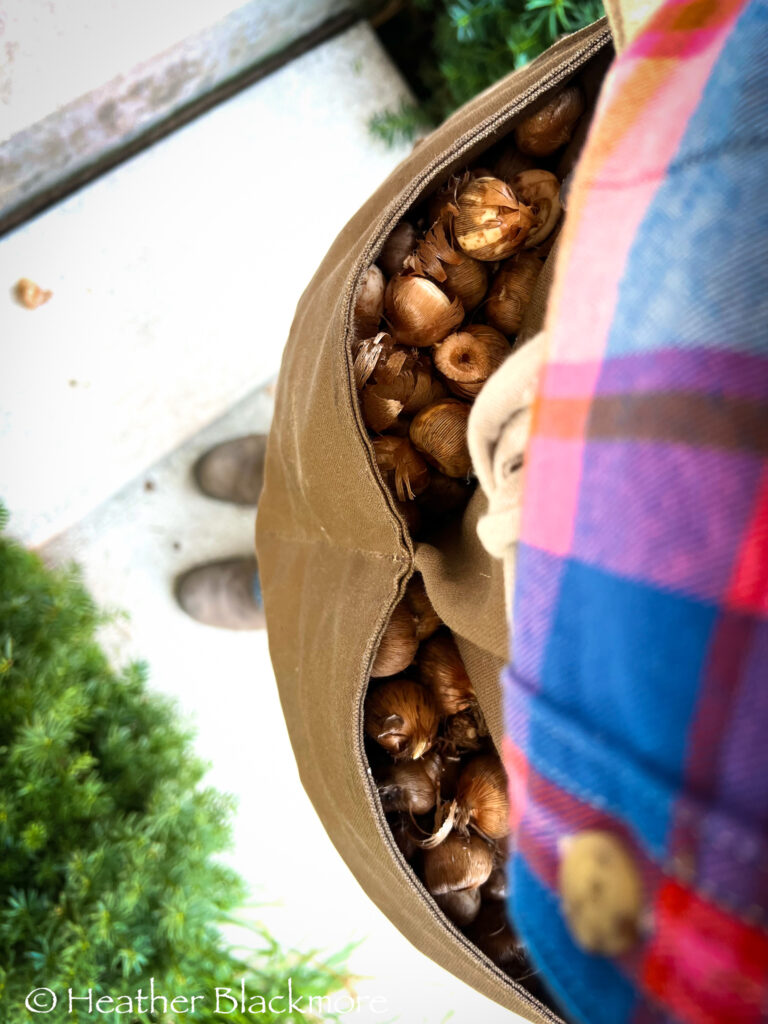
Planting bulbs in raised beds and containers is a little different than planting in the ground. There’s less space to plant so bulbs get packed in tighter than they would if they were going in the ground. For in-ground planting, it’s recommended that tulips be planted six inches apart on center. Simply put, the space between the center of one tulip to the center of the next tulip is six inches.
Planting tulips in raised beds and containers is a little different. Instead of six inches, I do two to three inches. Display gardens will do this with tulips to create a sea of dense color. And when the show is over, off to the compost pile they go.
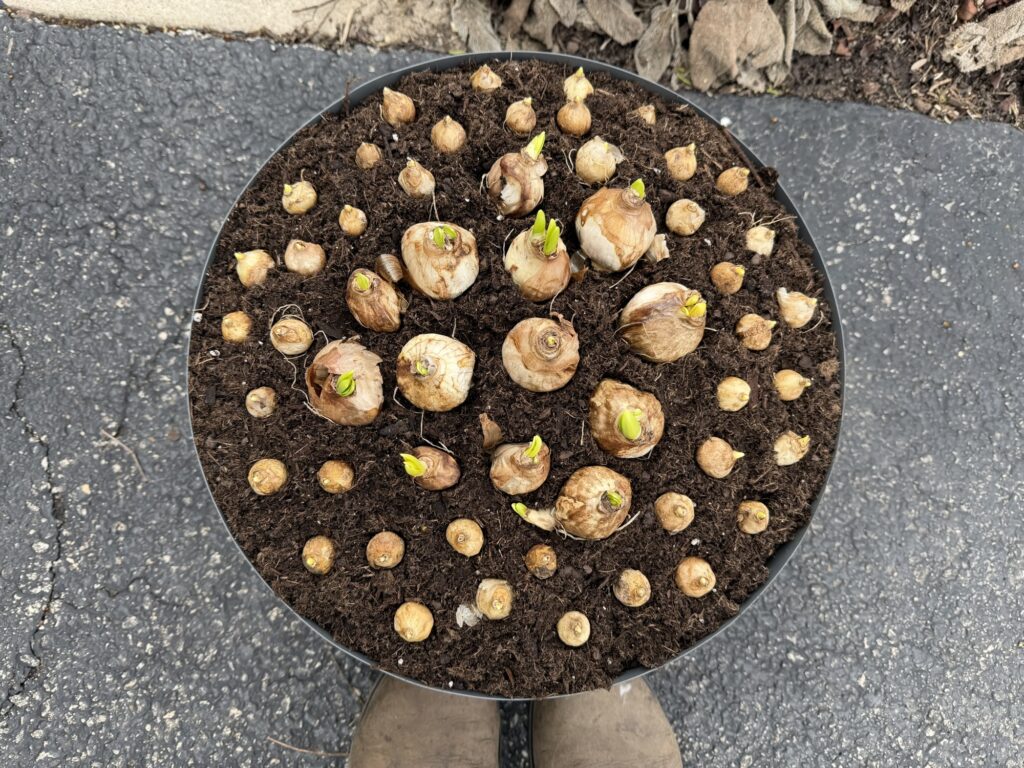
And if I’m planting bulbs in containers, they’re shoulder to shoulder, touching.
This works because it’s a single season show. I’m not concerned about bulb longevity in the raised beds and containers. Tight planting in the ground is a different story. It creates root competition and soil nutrients are gobbled up fast. I don’t have to worry about this when I plant bulbs in raised beds and containers. I’m simply after that first spring show.
How I Keep Rabbits from Eating My Tulips
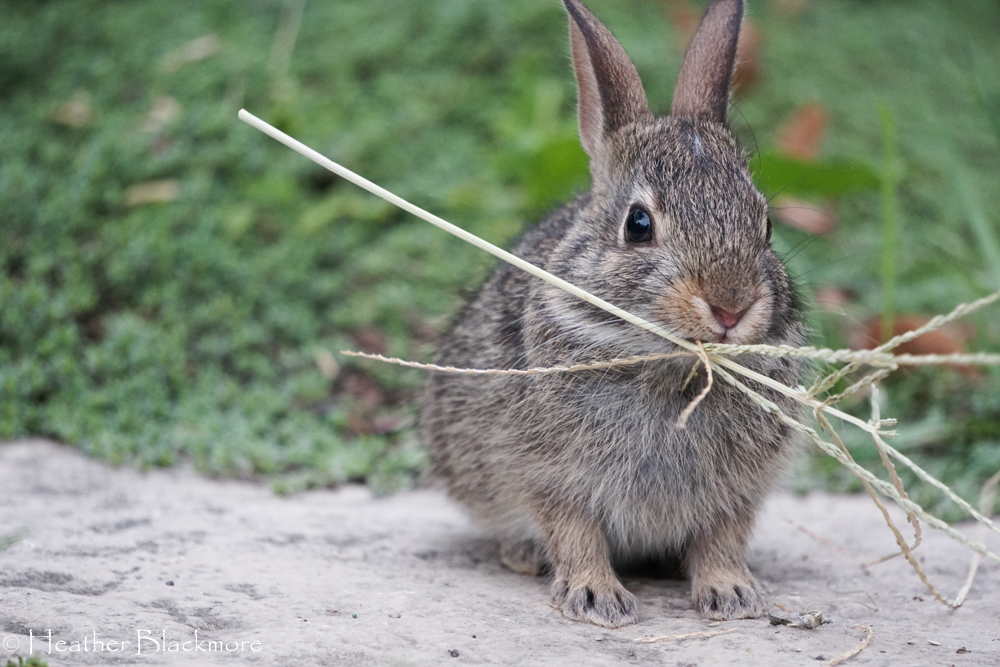
Raised beds that are at least 24″ tall are one way. Organic repellants are another. I’ve had the most success with an organic pig/cow blood product called Plantskydd. Appetizing, right? It comes in two forms, liquid and granular. While the liquid is great for spraying the actual plant you want to protect, I use the granular form for creating perimeters around plants. It works especially well sprinkled around the edges of my raised beds, as a sort of barbed wire fence without the barbs. It’s all about using scent to repel critters, and it works. Most of the the time.
A word of caution, though… Apply the liquid in the evening so the scent has time to dissipate over night. A few years ago, I sprayed it just before sunset on some roses, not noticing that my neighbor (who I really like) was entertaining in her backyard. She’s a nurse. Moments after I sprayed, she called across the yard, “OMG Heather, what’s that smell? It smells like a GI bleed!”
If anything could be one of those “tell me it smells without telling me it smells” moments, this was certainly it. I ruined her gathering. Spray in the evening, just be sure your neighbors have gone in for the night.
Planting Spring Bulbs in Containers
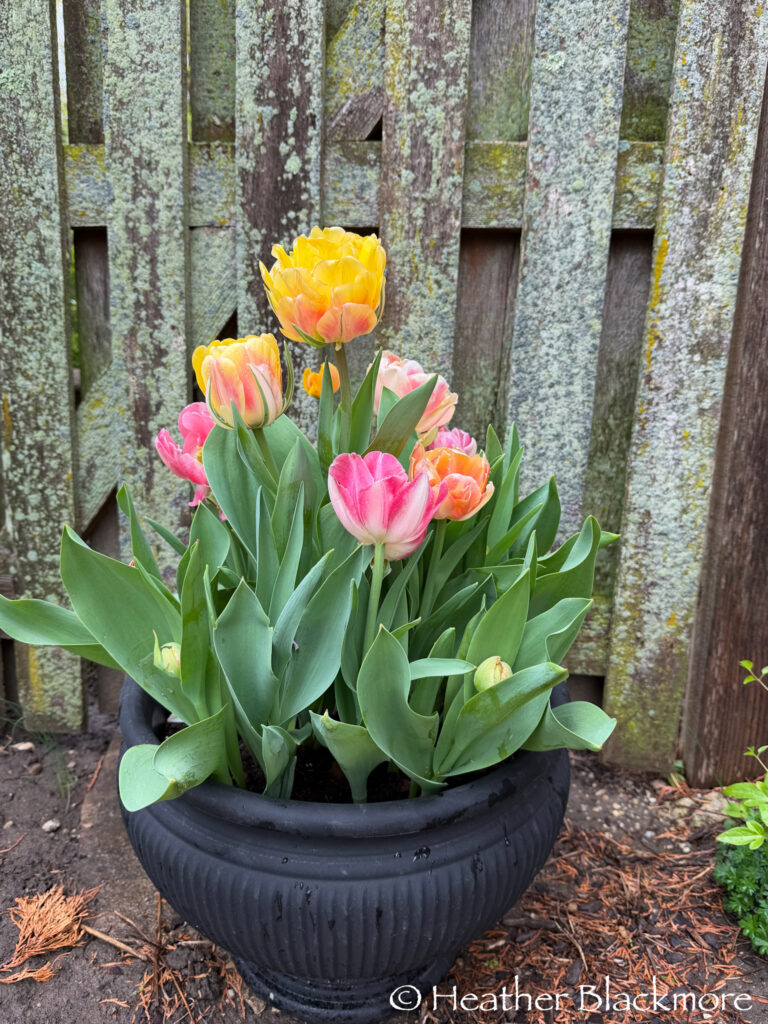
I’m not an expert in planting spring bulbs in containers, but after several unsuccessful attempts, this is what works. Once I’ve selected a container with a drainage hole, I fill it with potting soil. The drainage hole is non-negotiable because without good drainage, your bulbs will rot. Waterlogged soil, in the ground or container, is a sure way to sabotage all that cold-weather bulb planting you did in October and November.
Once filled, they get a light sprinkle of water before going onto the bench in my unheated garage where they remain all winter. This ensures they get their cold treatment while being totally protected from critters, not to mention the constant freeze/thaw that happens in small containers. Things heat up and cool fast in containers with less soil volume compared to that of a 4’x8′ raised bed.
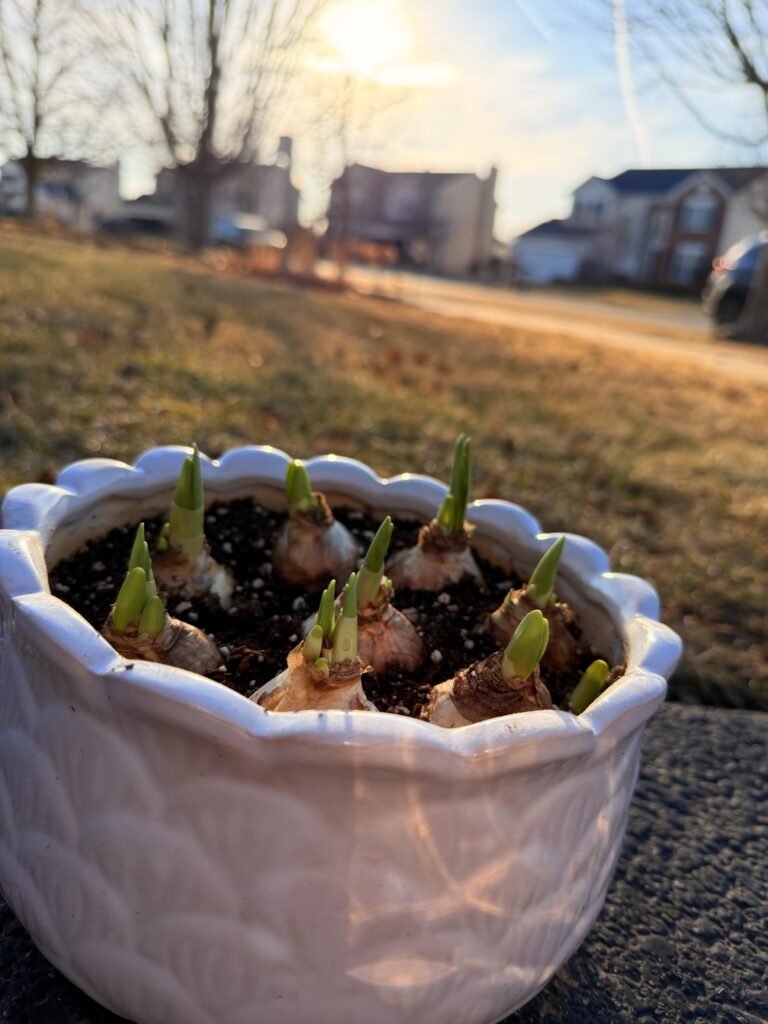
Depending on the variety planted, green shoots break through the soil sometime in late winter or early spring. From there, the pots go outside wherever I need a pop of color. Once moved, things go fast and plants are eager to flower.
What to Do With Bulbs After They Bloom
If you’re planting tulips in raised beds, I’m in favor of chucking them after they’ve gone over. If you just can’t bare to be so barbaric, planting them in the ground is another option. For me, the work isn’t worth the return. Tulips never flower as well after that first spring.
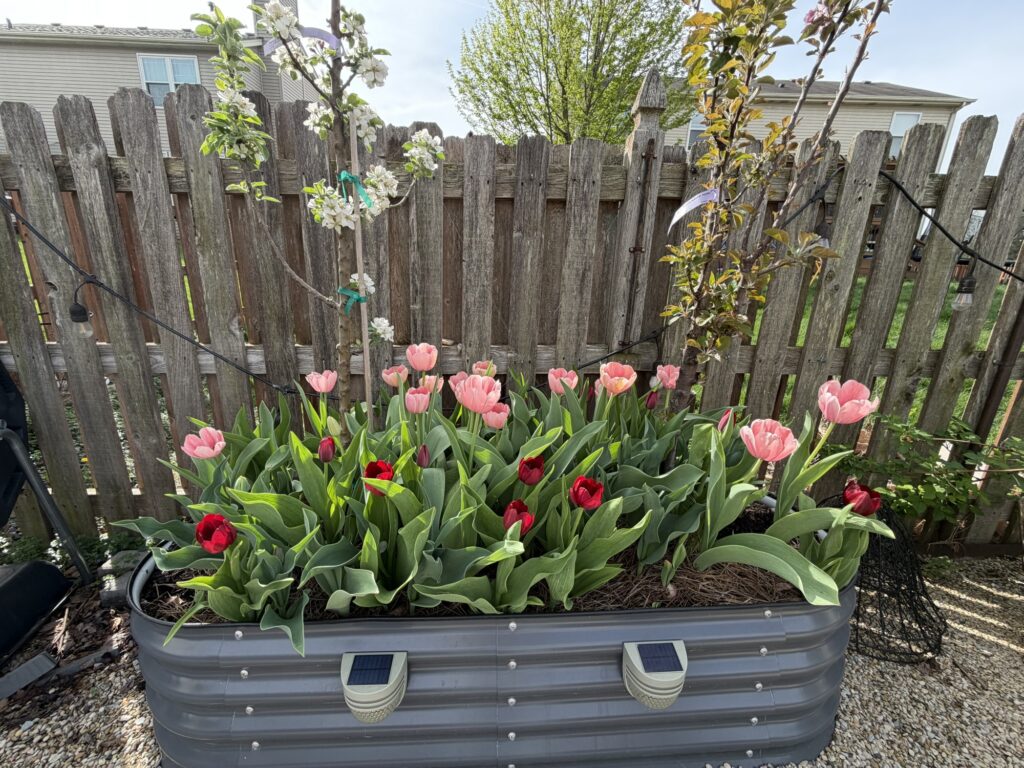
If you have a few raised beds that don’t get planted until April if not later, why not think spring and grab a few bags of bulbs? If catalog ordering is too much of a commitment, I’ve had great success with bags of bulbs purchased from Costco and Home Depot. It’s inexpensive and a wonderful way to welcome spring sooner than later. Remember to plant densely for that spring bouquet effect.
I would love to know if you’ll be growing spring-blooming bulbs in your raised beds. And if so, what varieties you did you choose?
Tell me in the comments!